
Back to Woven Fabrics
Stabilising Web Fabric
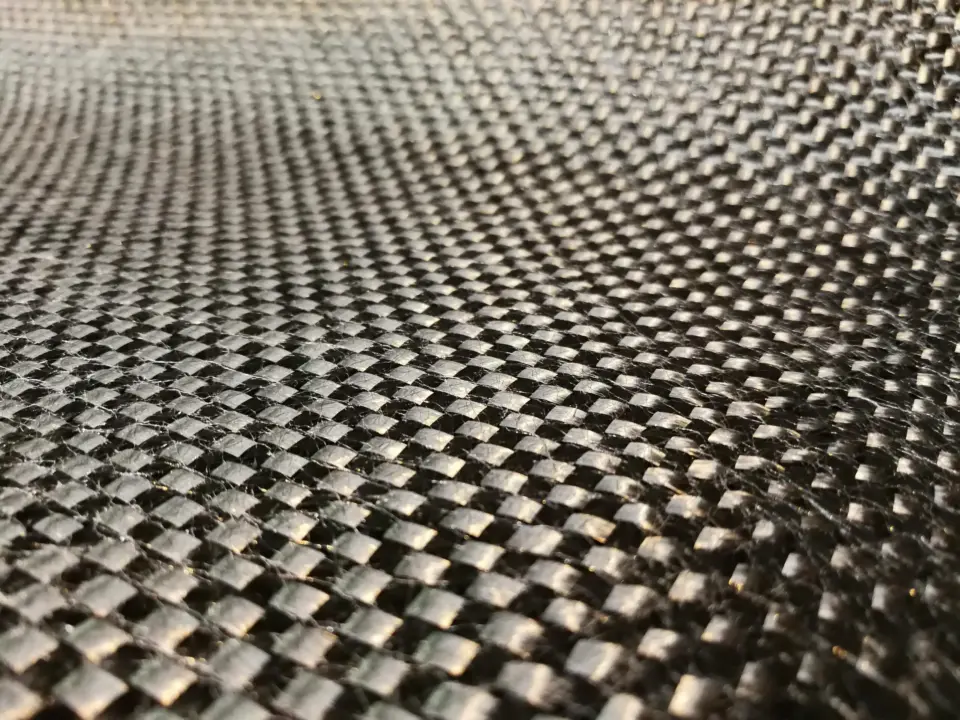
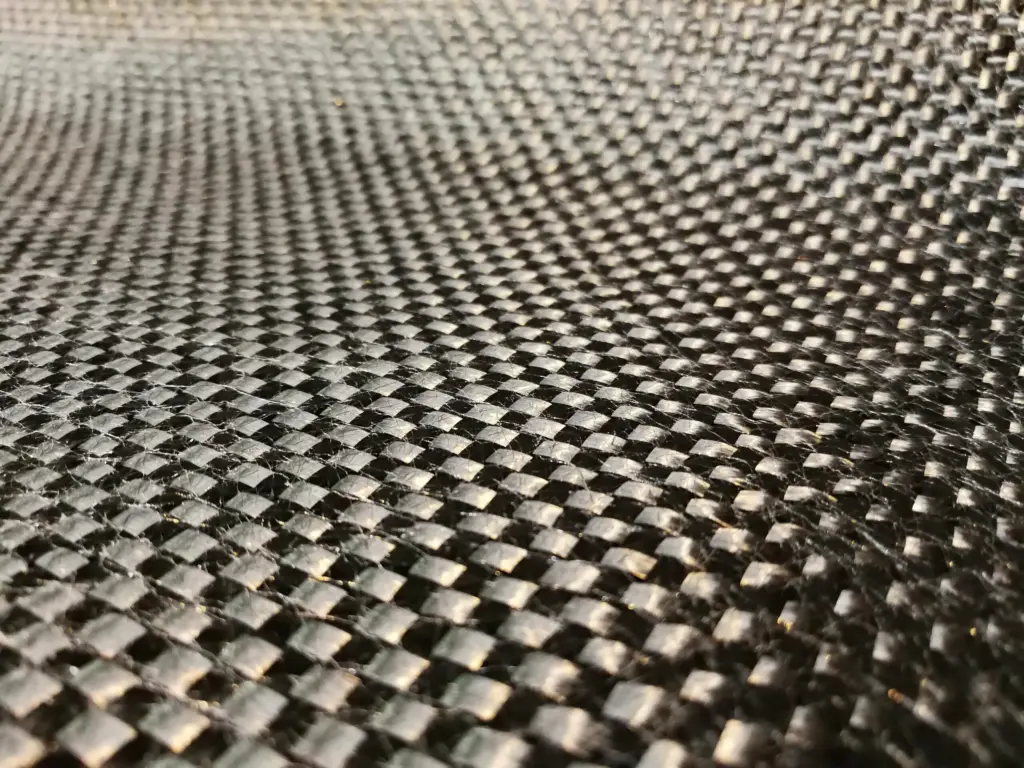
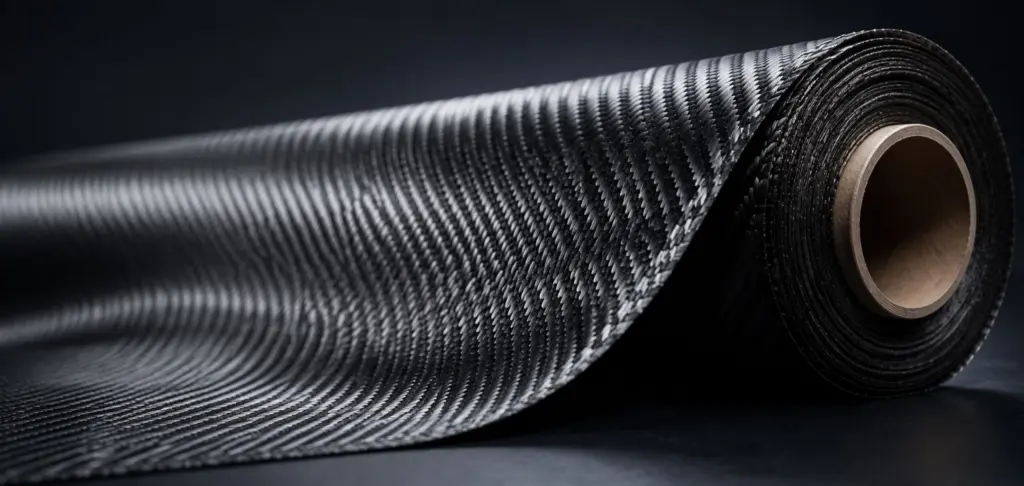
Stabilising web is an advanced fabric finishing technology designed to improve handling, stability and process efficiency in composite manufacturing.
Using a calendared thermoplastic web, a lightweight layer (typically 3–20 g/m²) is applied to the surface of thereinforcement. This creates a stable yet highly drapable fabric, allowing for easier cutting, handling and preforming without fraying or fibre distortion.
Compared to traditional stabilisation methods such as powder coating or binders, thermoplastic web technology provides improved uniformity, cleaner processing and enhanced material performance.
Key Benefits
-
Prevents fraying during cutting and handling
-
Improves fabric stability and ease of processing
-
Uniform web distribution across the fabric surface
-
Maintains excellent drapability after stabilisation
-
Compatible with a wide range of resin systems
-
Enables fibre stability after cutting
-
Supports preforming through heat activation
-
Improves laminate impact resistance
-
Cleaner handling compared to powder-based systems
-
Minimal increase in fabric areal weight
Applications
Stabilised fabrics are widely used in applications where handling, cutting accuracy and process consistency are critical, including:
-
Aerospace and automotive composite components
-
Preforming and kitting applications
-
Complex geometries requiring controlled drape
-
High-volume production environments
-
Laminates requiring improved impact performance
Looking to improve cutting, handling or preforming performance?
Speak to our team for technical advice, material selection or pricing.
Related Products
Explore a selection of related products within the Cristex range, offering various options with comparable performance and specifications to support your project requirements.
-
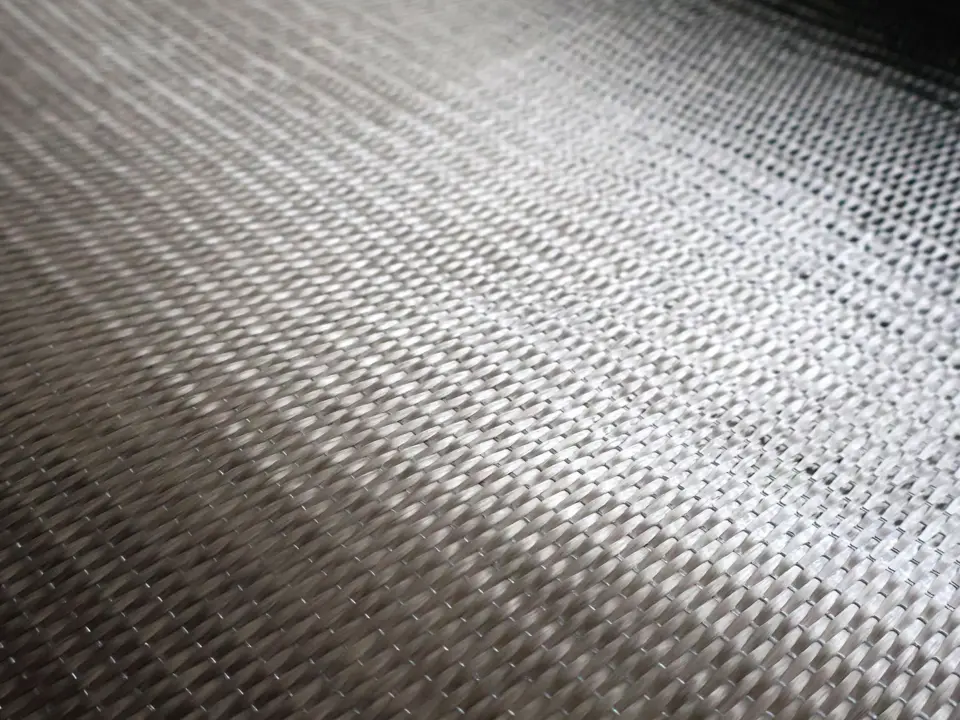
Woven UD Fabric
Woven unidirectional (UD) fabrics are engineered composite reinforcements where the majority of fibres are aligned in a single direction, typically 0° or 90°, with a small secondary fibre used to stabilise the structure during handling and processing.
Find out More -
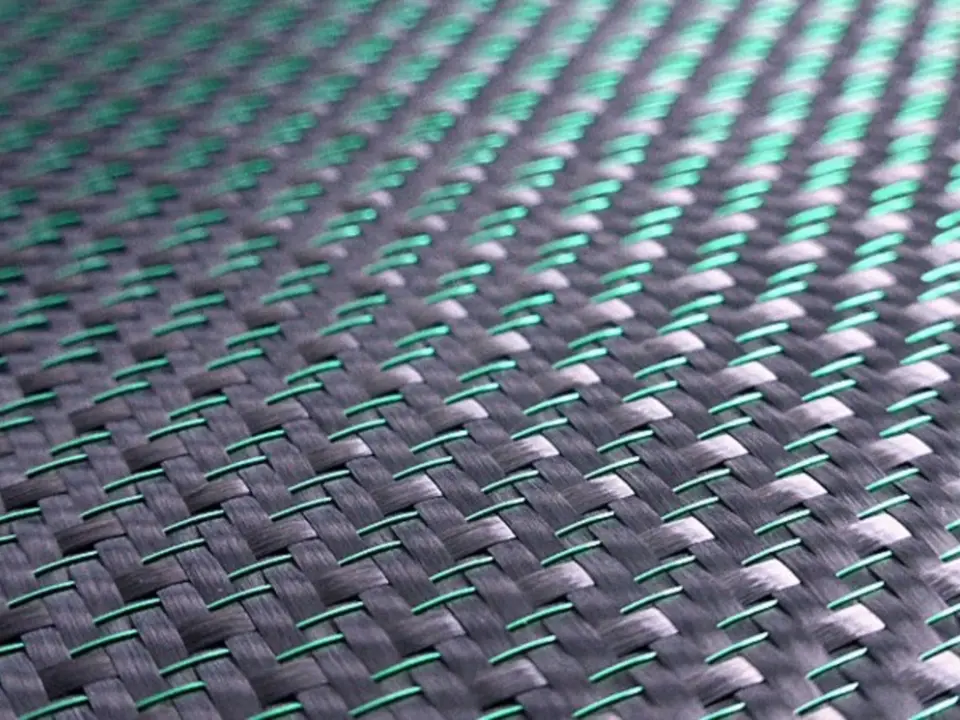
Hybrid Fabrics
Hybrid fabrics are composite reinforcements created by combining two or more fibre types within a single fabric structure, typically in the warp and weft directions or through multi-layer constructions.
Find out More -
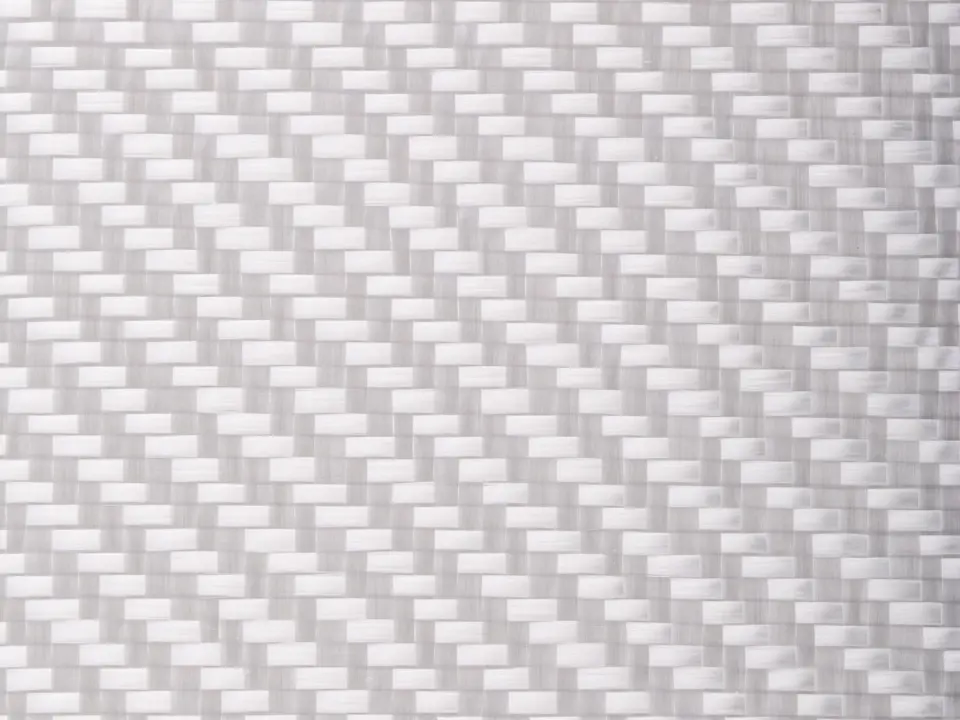
Glass Fabric
Glass fibre fabrics are versatile composite reinforcements widely used across a broad range of applications due to their strength, cost-effectiveness and ease of processing.
Find out More -
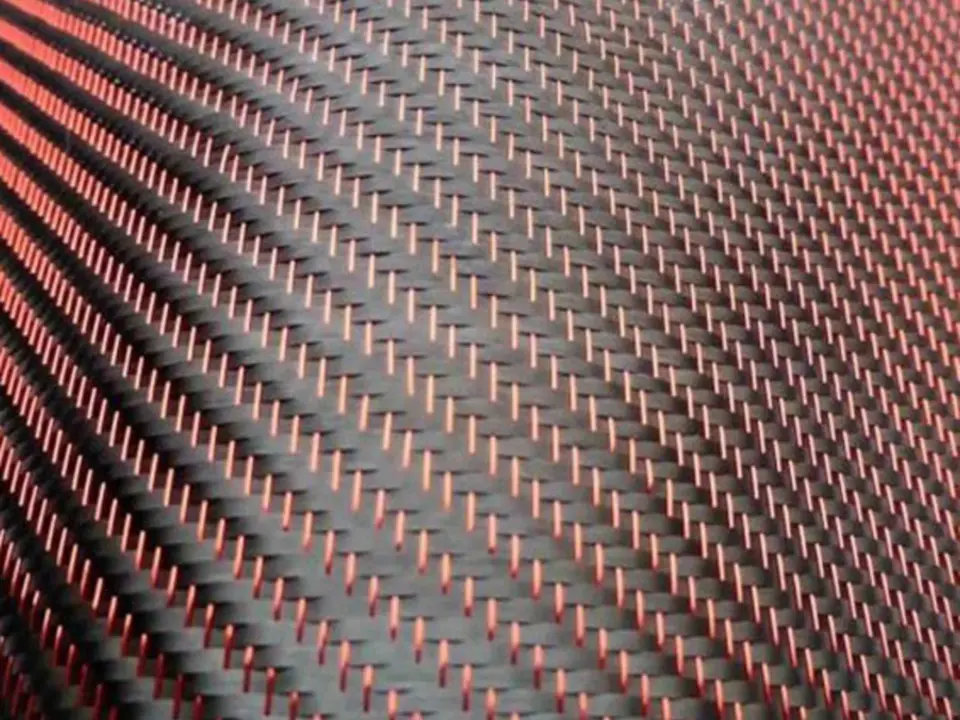
Decorative Fabrics
Decorative fabrics are composite reinforcements designed to deliver both structural performance and enhanced visual appearance.
Find out More -
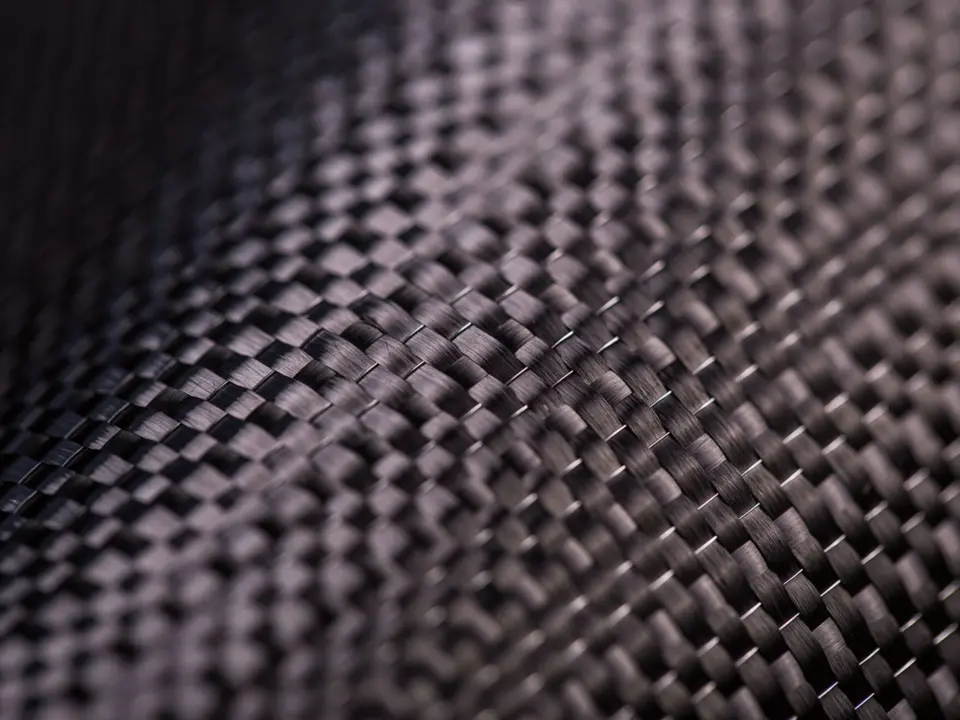
Carbon Fibre
Carbon fibre fabrics are high-performance composite reinforcements widely used for their exceptional strength, stiffness and lightweight properties.
Find out More -
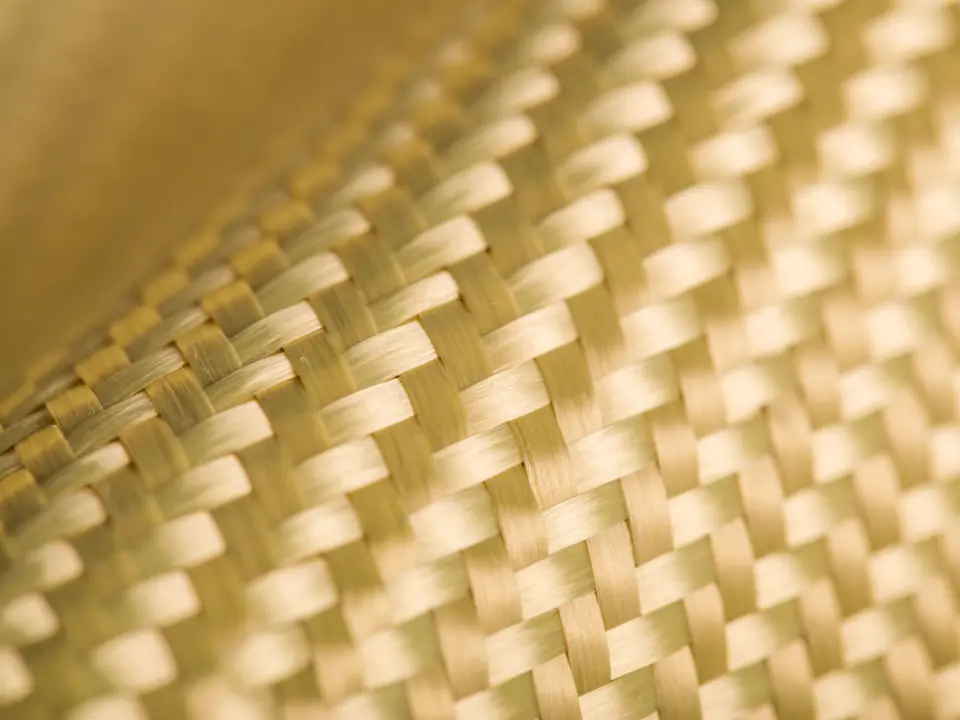
Aramid Fabric
Aramid fabrics are high-performance composite reinforcements known for their exceptional strength-to-weight ratio, impact resistance and durability.
Find out More